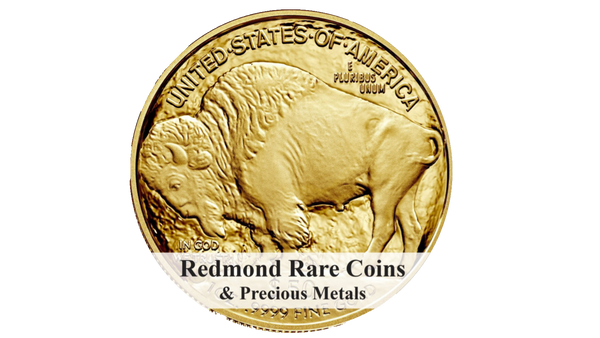


As of January 1, 2026, Washington State implemented a major policy shift: precious metals—including gold, silver, platinum, and palladium—are now subject to sales tax, currently around 10.4% depending on location.
For investors and collectors, this significantly increases the cost of acquiring physical bullion. A $10,000 purchase can now carry over $1,000 in tax, fundamentally changing how buyers approach the market.
However, while the tax is real, there are still legal, compliant strategies that can help reduce or avoid unnecessary tax exposure when acquiring or reallocating precious metals.
This guide outlines seven widely used approaches.
1. Metal-for-Metal Trades (Asset Exchanges)
One of the most effective strategies is to exchange one metal for another, rather than making a direct purchase.
For example:
- Trading silver bullion for gold bullion
- Swapping gold for platinum or vice versa
Because no traditional retail “sale” occurs—only an exchange of assets—these transactions may not trigger sales tax when properly structured.
This approach is commonly referred to as a ratio trade, and it allows investors to reposition their holdings without incurring additional tax liability.
2. Out-of-State Delivery
Sales tax in Washington is generally based on where the transaction is completed and where the product is delivered.
If precious metals are:
- Purchased from a dealer
- Then shipped to a state that does not tax bullion
…the transaction may not be subject to Washington sales tax.
Common destinations include:
- Oregon
- Montana
- Idaho
It is critical that delivery is legitimate and properly documented. This must be a real shipment—not a workaround using invalid addresses. Check back really soon as we’ve been doing some research on how to help you all when it comes to you receiving orders out of state. Redmond Rare Coins is working on some things!
3. Storage in an Out-of-State Depository
Another approach is to purchase metals and store them outside of Washington State, rather than taking physical possession locally.
In this scenario:
- The metals are purchased
- Delivered directly to a secure vault or depository in another state
Because the buyer never takes possession in Washington, the transaction may fall outside WA sales tax requirements.
This method is often used by larger investors or those building long-term holdings.
4. Strategic Reallocation (Sell and Reposition)
While not a direct way to avoid tax, timing and structure can significantly reduce unnecessary taxable events.
Instead of frequent purchases:
- Investors may sell existing holdings
- Reallocate into new positions at optimal times
By minimizing the number of retail purchase transactions, overall tax exposure can be reduced.
This approach emphasizes efficiency and timing rather than repeated buying.
5. Gold-to-Silver Ratio Strategies
The gold-to-silver ratio measures how many ounces of silver are required to purchase one ounce of gold.
Investors often:
- Trade silver for gold when the ratio is high
- Trade gold for silver when the ratio is low
Because these are structured as exchanges rather than purchases, they may avoid triggering sales tax.
Over time, this strategy can also increase total metal holdings without additional capital.
6. Business or Entity Structuring
Some investors explore purchasing precious metals through:
- LLCs
- Trusts
- Out-of-state entities
Depending on how metals are classified (inventory vs. investment), and how transactions are structured, tax treatment may differ.
This strategy is more complex and requires:
- Proper legal setup
- Professional accounting guidance
It is typically used by higher-volume investors or businesses.
7. Wholesale and Non-Retail Transactions
In certain cases, larger transactions can be structured outside of standard retail frameworks.
Examples include:
- Dealer-to-dealer style trades
- Bulk or wholesale transfers
- Private asset exchanges
When structured correctly, these may not fall under traditional retail sales tax rules.
As with all strategies, documentation and compliance are essential.
Important Compliance Considerations
While there are legal ways to reduce tax exposure, it is equally important to avoid improper practices.
Buyers should avoid:
- Using false out-of-state shipping addresses
- Misrepresenting transactions
- Conducting undocumented or informal deals
Working with a reputable dealer (like Redmond Rare Coins) and maintaining proper records ensures that all transactions remain compliant with state and federal regulations.
In the end…
Washington’s 2026 sales tax on precious metals has significantly impacted how investors buy and sell bullion. However, it has also encouraged more strategic, informed approaches to acquiring and managing physical assets.
By utilizing methods such as asset exchanges, out-of-state delivery, and structured transactions, investors can continue to build and optimize their holdings while minimizing unnecessary costs.
As always, understanding the rules—and working within them—is key.
-Santo Roman, Co-Owner and employee of the month for June 2025!
About Redmond Rare Coins & Precious Metals
For investors and collectors navigating the changing precious metals landscape, working with an experienced local dealer is essential.
Redmond Rare Coins & Precious Metals provides:
- Real-time precious metals pricing
- Transparent buy and sell evaluations
- Guidance on structuring transactions in today’s tax environment
Whether you are buying, selling, or reallocating your holdings, our team offers practical, knowledgeable support tailored to current market conditions.